Most people reach a stage in adulthood where they stop being beginners. They find the things they are good at, stay inside those boundaries, and repeat those same skills for years. My life has never followed that pattern. Every time I get comfortable with something, I eventually drift into something else that sends me right back to the starting line.
When I moved to Washington, climbing was the first major skill I had to learn. I had no background in it. I read avalanche books, tried to understand snow layers, storm cycles, wind loading, and the basics of safe travel in the mountains. Then I tried to apply all of it in real terrain. My first season included Mount St. Helens and Mount Adams. Both felt intimidating because everything was new. Crampon technique, steep snow travel, pacing, weather changes, navigation, and judgment. I had to build all of it from scratch.
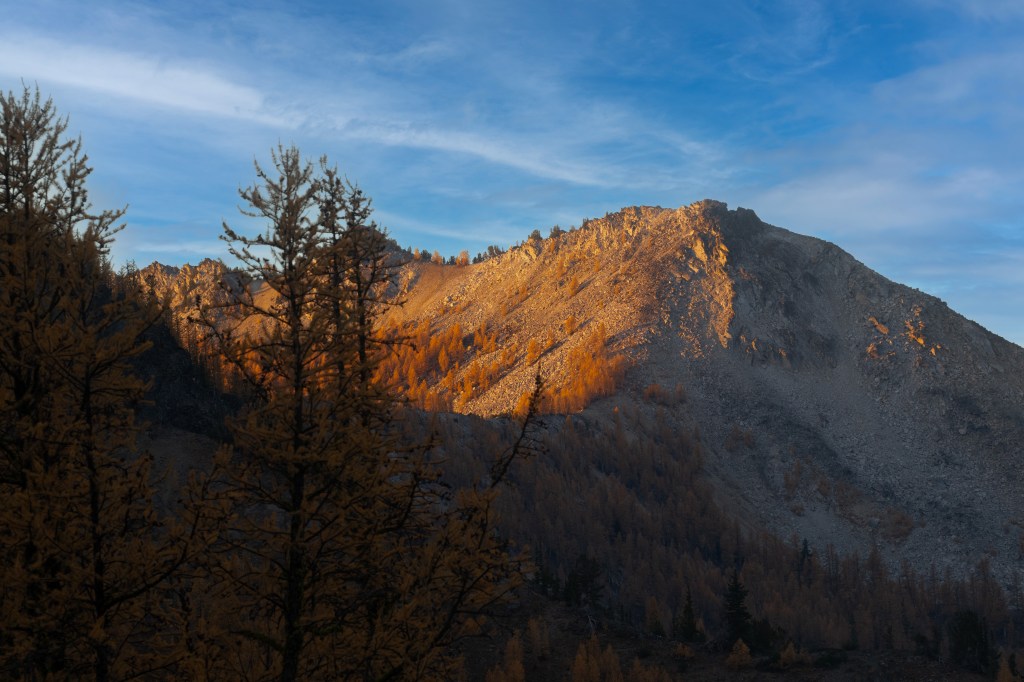
Hiking and backpacking grew naturally from climbing. During that first year, the trip that stands out most was a solo overnight in the Chelan–Sawtooth Wilderness to see the larches. It was around twenty miles and felt bigger than its mileage because it was the first time I really tested myself alone in that kind of terrain. Being by myself made me pay attention differently. I learned what long days actually feel like and how to trust my decisions when no one else is around.
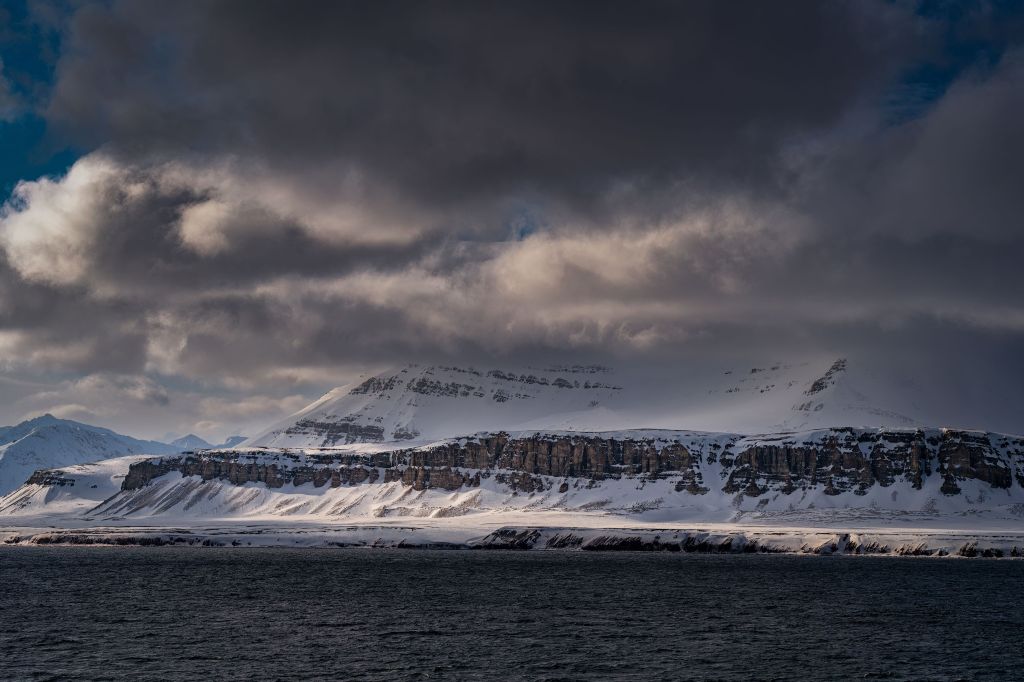
At some point after that, I took my first international trip. I went to Svalbard and snowmobiled across the Arctic in hopes of seeing a polar bear. It was an unusual choice for a first overseas trip, but it ended up setting the tone for how I travel now. The cold was intense, the landscape was enormous, and the whole experience forced me into a place where I had to learn the environment from zero. That trip made it clear that unfamiliar situations are not something to avoid. They are often the part that makes a trip memorable.
Winter camping came around that same period. My first overnight at Skyline Lake was simple, but it taught me the basics. How to build a stable platform in snow. How to manage condensation. How to stay warm without sweating through my layers. Small things that matter once you spend more winters in the mountains.
Photography grew out of the hiking I was already doing. I started with landscapes because that was what I had access to. Then I learned how to shoot the Milky Way on backpacking trips. After that I moved into wildlife photography, which required patience, observation, and understanding behavior. Deep space astrophotography came later and forced another reset. Tracking mounts, calibration frames, guiding, and long processing sessions all felt like learning a completely different skill.
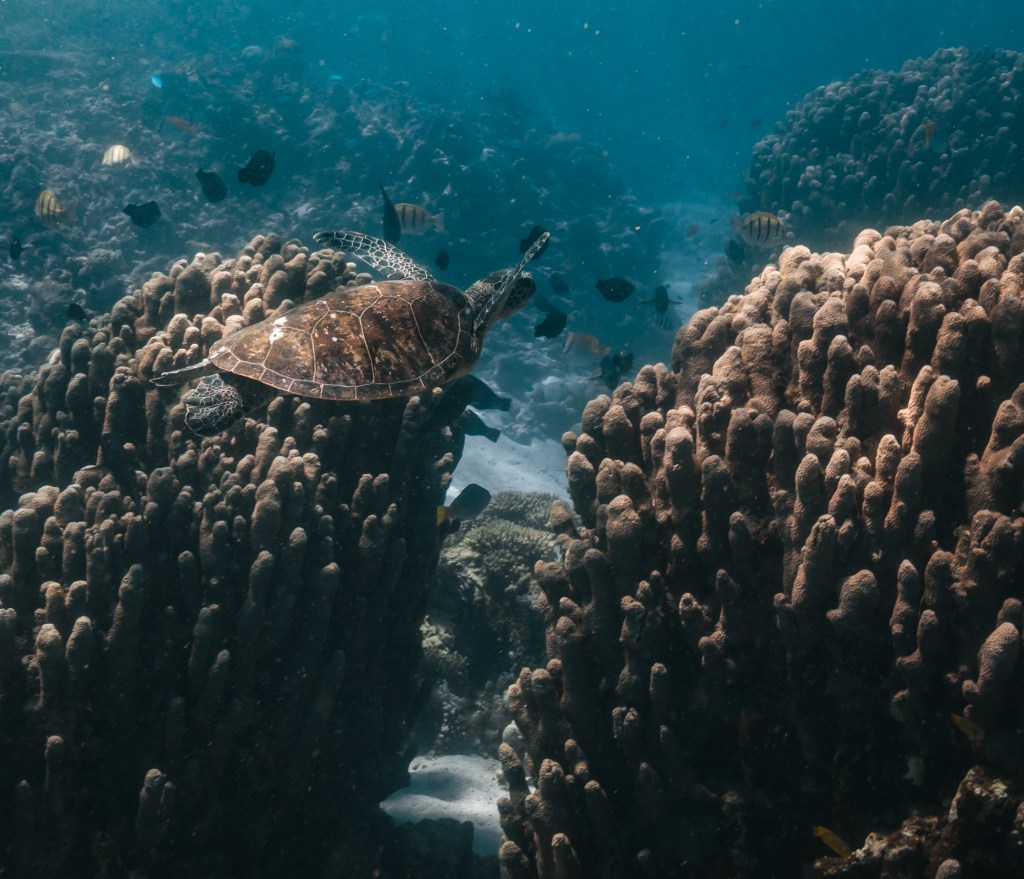
Underwater photography came much later. I had earned my scuba certification the same year I earned my skydiving license in college, but I did not connect those skills to photography until Australia. Underwater work forced me to rethink everything. Light behaves differently. Colors disappear with depth. Buoyancy affects framing. Animals move unpredictably in all directions. It made me a beginner again in the best way.
Now I am learning filming. I know my way around still photography, but filming is its own world. Frame rates, movement, sequencing, pacing, and editing require a different mindset. It is another beginner phase, and I can feel myself slowly building the foundation for future projects. It is uncomfortable, but I know that stage is always temporary.
Travel kept reinforcing this pattern.
Uganda required learning how to move on steep muddy terrain.
Rwanda added elevation and dense bamboo forests.
Borneo taught patience during humid night searches for wildlife.
Australia forced me to rethink underwater work and astrophotography under a different sky.
Alaska required learning bear behavior, tides, and bush plane logistics.
Svalbard showed me what true Arctic conditions feel like and how different it is to travel in a place shaped by ice, cold, and long empty horizons.
Washington continues to teach me new things every year.
Looking ahead, I know I am not done being a beginner. I have a long list of goals for the next few years that will push me into completely new environments again. I want to swim and film whales, including humpbacks in the tropics and orcas in colder water. I want to travel into Mongolia to look for snow leopards and Pallas cats in isolated mountain valleys. I want to return to the Arctic and try for polar bears again. I want to stand in front of the massive penguin colonies of South Georgia and understand what that scale feels like in person. Life is short. The world is not. That is reason enough for me.
None of these skills came from talent. They all came from being willing to feel inexperienced. Being a beginner forces you to focus because you cannot rely on old habits. It is also the stage where progress is most noticeable. Every outing matters. Every mistake teaches you something.
A lot of people avoid beginner phases because they feel uncomfortable. For me, that stage has become the place where everything actually starts to move. It keeps my world expanding instead of narrowing into one skill set. Whenever I start to feel too comfortable, I eventually move toward something new.
And each time that happens, it ends up shaping the next part of my life.
Thoughts – November 2025
 Wild with Tyler
Leave a comment