
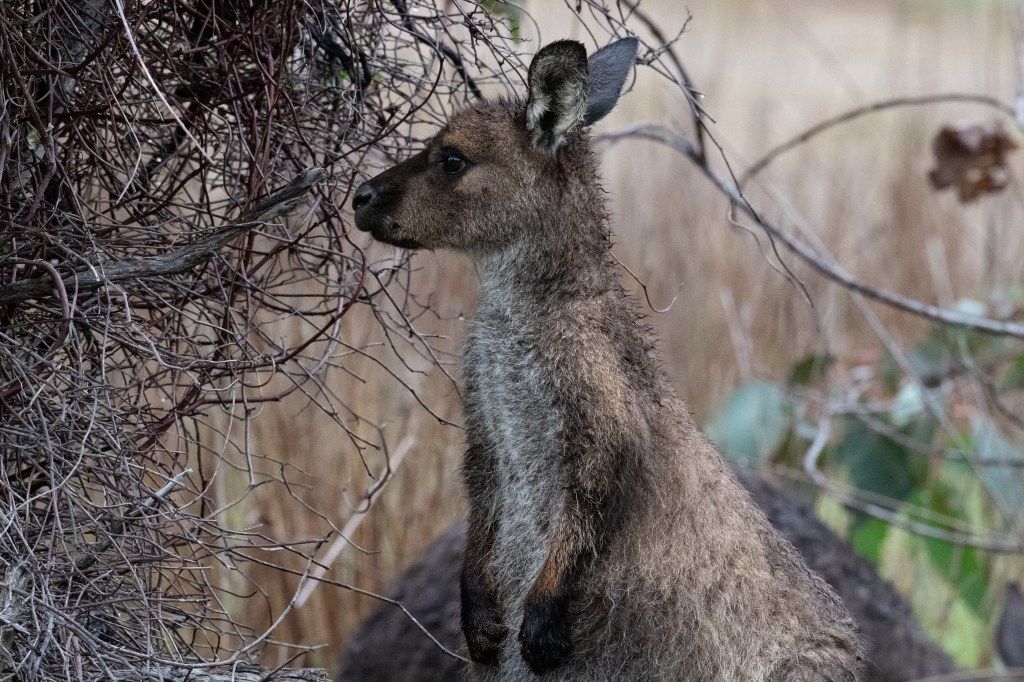
Kangaroo Island is one of the easier places in Australia to see wildlife without much effort. Most of the island is protected or lightly developed, and animals move through the landscape constantly. I spent several days there covering different parts of the island, looking for kangaroos, koalas, the resident platypus, and shooting the Milky Way at night.
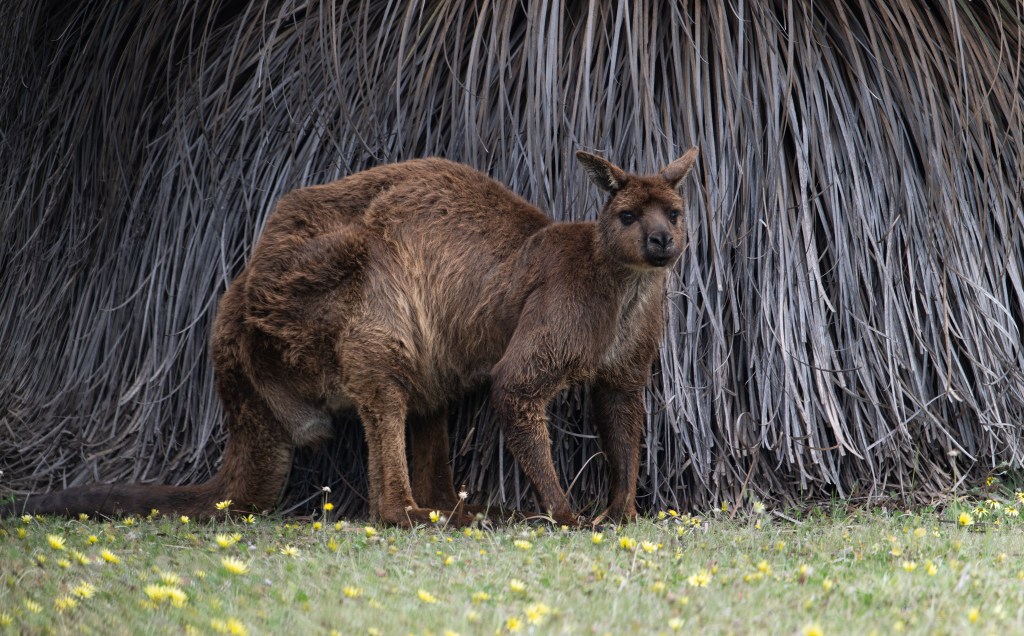
Kangaroos Everywhere
The first thing you notice is how common kangaroos are. They feed in open areas early and late in the day, and you see them along roads, in fields, and near campsites. Many of the sightings were simple: groups feeding, individuals moving between cover, or kangaroos resting in shade during the heat. Nothing staged or difficult. They are a normal part of the environment and appear consistently throughout the day.
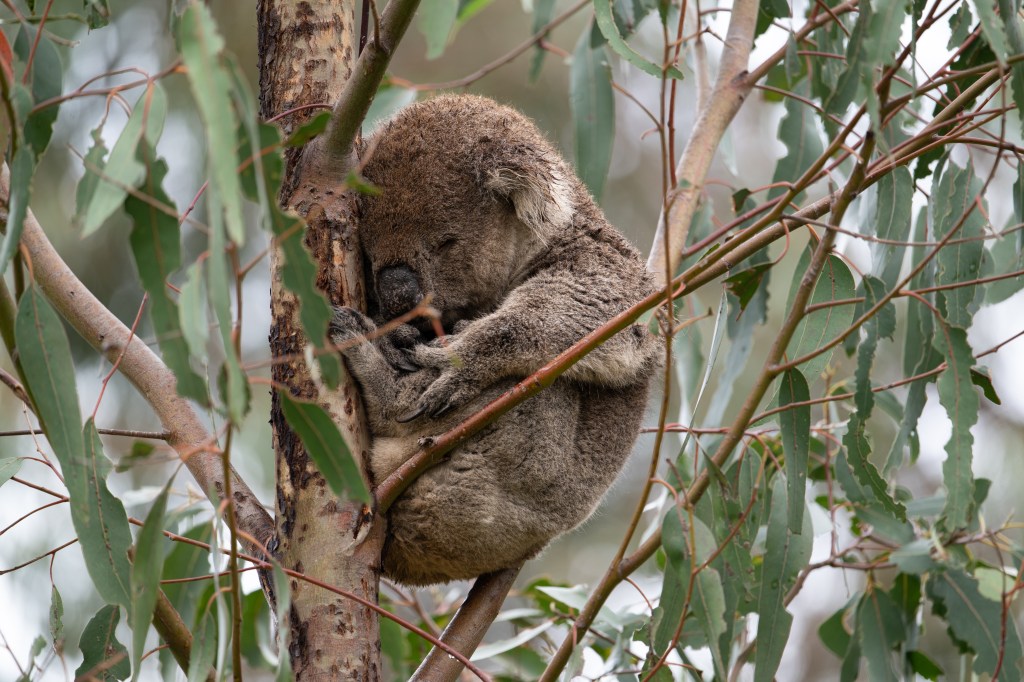
Koalas in the Trees
Koalas are also easy to find because they stay in predictable trees and do not move much. Most of the time they were resting, barely shifting their position except to change branches or adjust for comfort. A few were more active, climbing or feeding, but the majority were in their typical stationary posture. The biggest challenge was spotting them high enough in the canopy where the branches blend together.
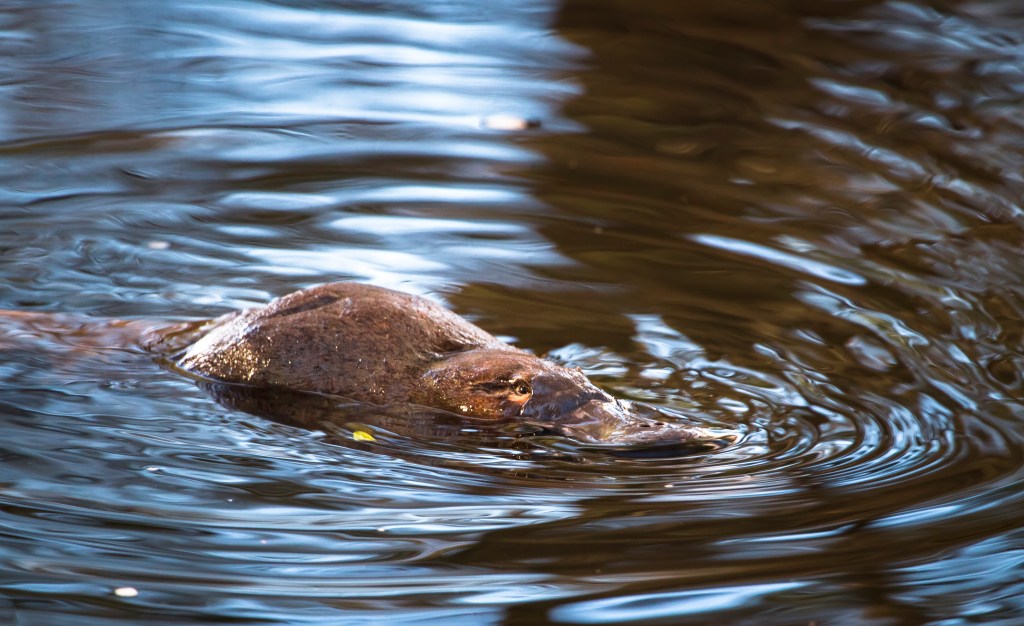
Searching for the Platypus
The platypus search was the opposite experience. Kangaroo Island has a small population, and seeing one requires patience. I went to the main viewing area and spent time watching the water for ripples or movement. It took several attempts, but eventually I did see one swimming along the surface before diving again. The sighting was brief, but that is normal for platypus activity. They appear quickly and disappear just as fast, and you often wait long periods for a few seconds of visibility.
Shooting the Milky Way
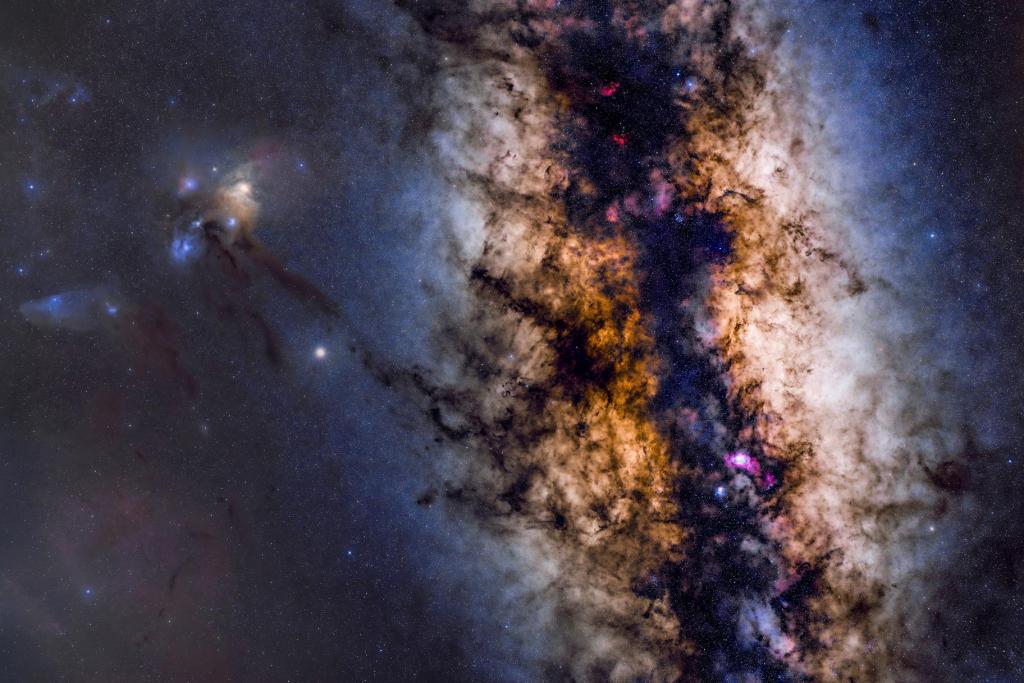
The night skies were one of the easiest parts of the trip. Kangaroo Island has very little light pollution, so shooting the Milky Way was straightforward. You can set up almost anywhere with a clear southern view and get a clean shot. Conditions changed depending on cloud cover and wind, but on clear nights the Milky Way was bright enough that framing was simple. The southern sky layout is different from what I see at home, so lining up the core and the foreground took a bit of planning, but nothing complicated.
General Routine
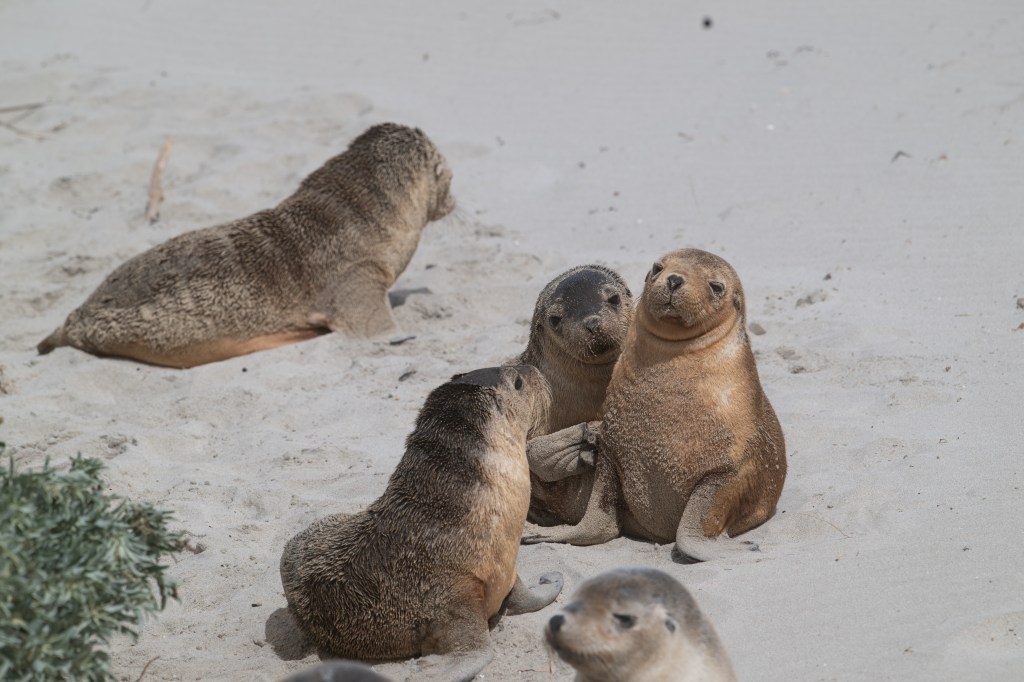
Most days followed a simple pattern. Drive between locations, scan for wildlife, stop when something was visible, and repeat. The island is compact enough that you can see multiple species within a short distance. Mornings and evenings were the most active, and mid-day was slower except for koalas, which barely change their behavior regardless of time.
Kangaroo Island is an easy wildlife destination because the animals are visible, the access is simple, and the conditions are manageable. Nothing about the trip felt forced or overly structured. It was just steady exploration, regular sightings, and a mix of daytime wildlife and nighttime astrophotography.
For anyone interested in Australian wildlife without dealing with long travel times or hard trekking, Kangaroo Island delivers exactly what you expect. It is straightforward, full of wildlife, and manageable on a short schedule.
Wildlife Expedition – October 2025
 Wild with Tyler
Leave a comment