
I didn’t plan on starting underwater photography in Australia. The original trip was supposed to look different, different coast, different conditions, different goals. But a run of thunderstorms on the east side forced me to pivot, and that detour led me straight into Western Australia’s Ningaloo Reef.
It ended up being the perfect place to start learning how to shoot below the surface.
I’d used cameras for years on land, wildlife, fast action, long lenses, etc. But none of that translates directly underwater. Once you’re below the surface, everything changes: light direction, color, contrast, the way subjects move, and the fact that you’re holding your breath while trying to frame a shot. It’s humbling in the best way.
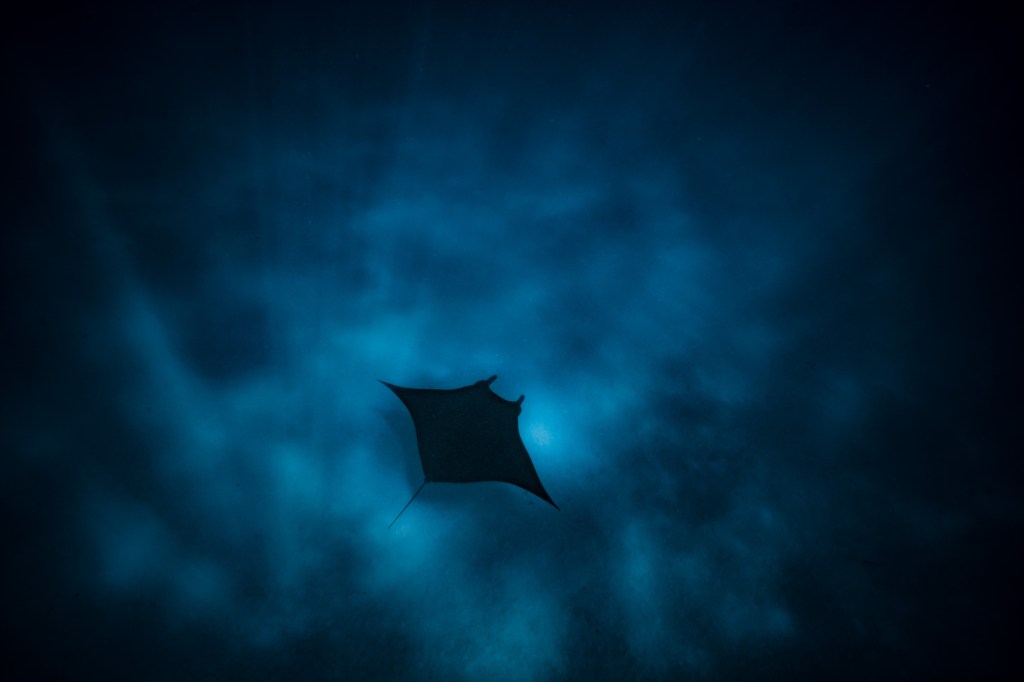
Freediving with manta rays was the moment things shifted. On land, wildlife tends to move on a predictable path. Underwater, everything flows. A manta can glide past you like it’s being pulled by invisible lines, and the camera becomes something you manage, not something you control.
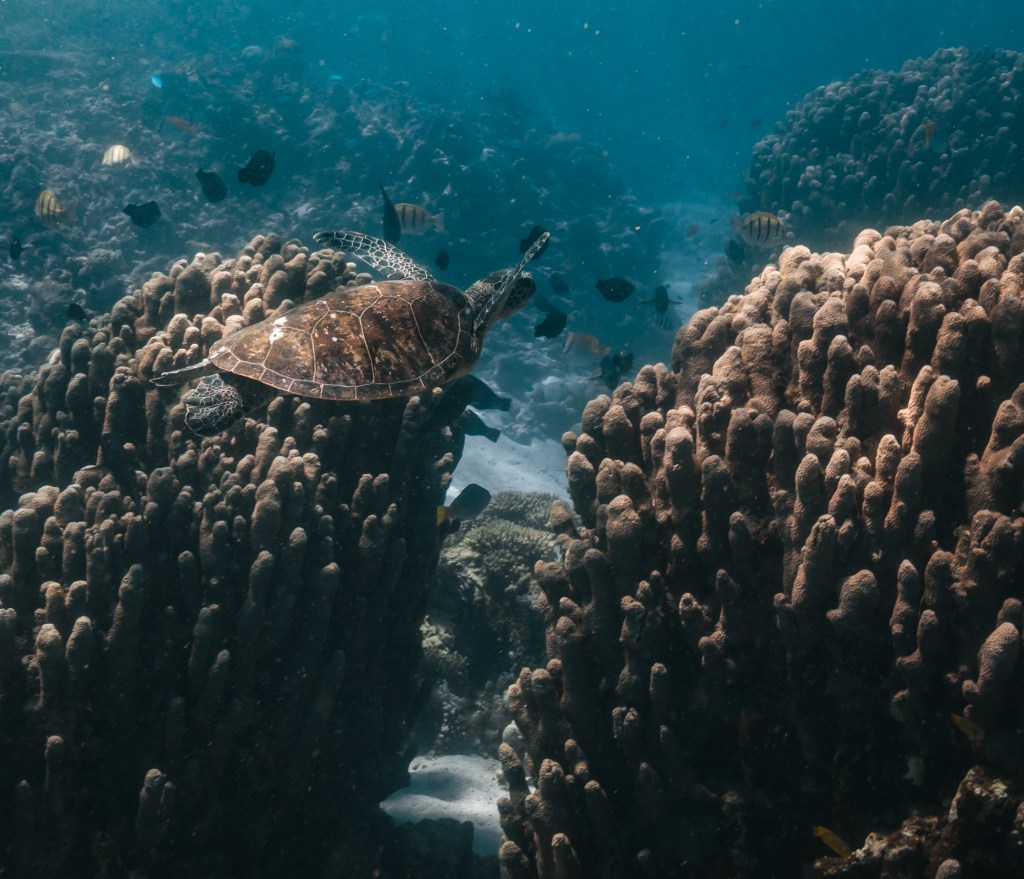
The turtles were easier at times slower, curious, and comfortable sharing space. They gave me time to figure out buoyancy, to adjust the housing, to realize how much color disappears underwater and why shooting RAW suddenly matters more than ever.
The sharks were different. Quick passes, longer distances, and the reminder that you’re a visitor in their world. Filming them meant accepting imperfect takes, learning how to stabilize without a tripod, and getting used to the fact that even the best clip might only last a few seconds.
This was supposed to be a few days in the water to get comfortable before future locations: Tonga, La Paz, maybe orcas later on. But Australia ended up being the place where I realized that underwater photography and filming are going to be a real part of what I make going forward. Not a one-off experiment. A new section of the project.
I still have a lot to learn from stability to color grading to managing a housing without feeling like I’m carrying a brick, but starting in those clear Australian waters made the transition feel natural.
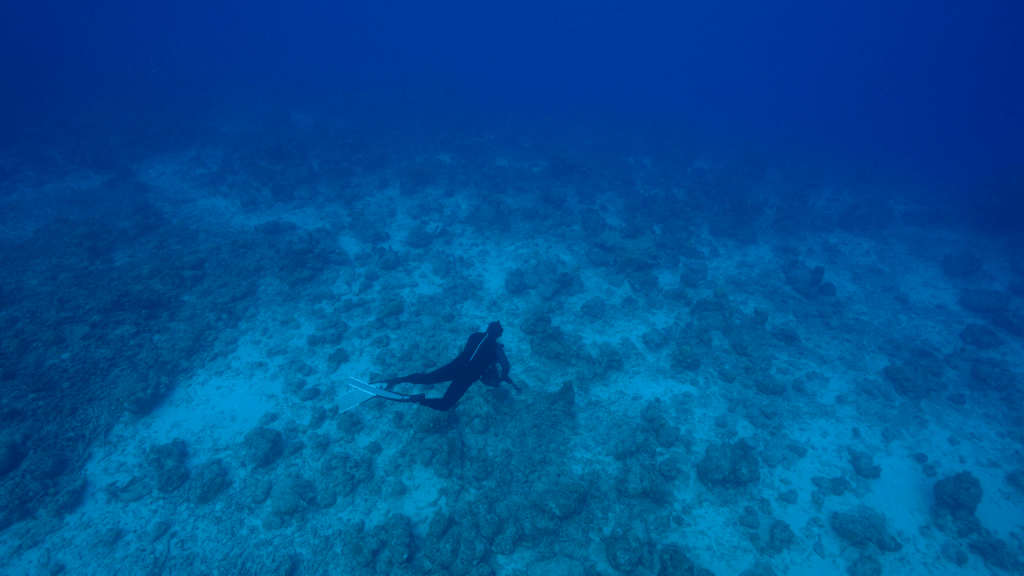
It’s different from the mountains, different from the forests, different from the long-lens wildlife work I’ve built so much of my portfolio around. But that’s the point. Australia was the beginning of shifting the project into something broader: land, air, and now, finally, the underwater world.
Wildlife Expedition – October 2025
 Wild with Tyler
Leave a comment